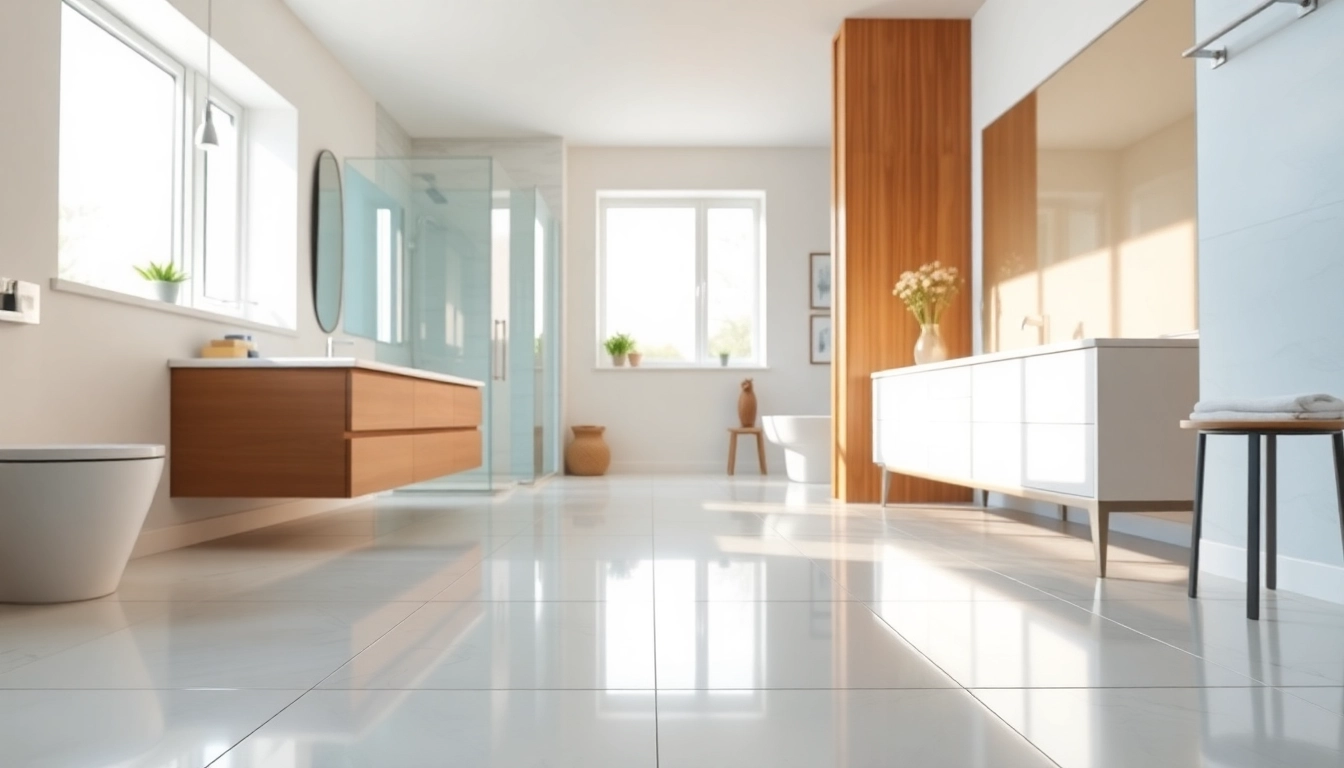
Understanding Shower Screens for Walk In Showers
What are Shower Screens?
Shower screens are transparent partitions designed to protect shower areas while enhancing the overall aesthetic of bathrooms. Applicable for various shower styles, particularly walk-in showers, these screens help contain water runoff and provide users with a spacious feel. They come in various materials, such as glass or acrylic, each offering unique benefits regarding clarity, durability, and design versatility. Understanding the purpose of shower screens is crucial for choosing the right kind to enhance functionality and style.
Benefits of Shower Screens for Walk In Showers
The advantages of installing shower screens are numerous. Firstly, they enhance safety by preventing water from spilling onto bathroom floors, thus minimizing slip hazards. Secondly, they elevate the visual appeal of the bathroom, transforming it into a chic, modern space. Additionally, shower screens allow for easier cleaning compared to shower curtains, which tend to accumulate mildew and mold. They also contribute to a more spacious feel in bathrooms, making them ideal for compact spaces. Overall, integrating shower screens for walk in showers can significantly improve both aesthetics and functionality.
Different Types of Shower Screens
Shower screens come in various designs suited for diverse preferences and bathroom styles. The most common types include:
- Framed Shower Screens: These screens incorporate metal frames, offering robustness and support. They are typically easier to install and maintain.
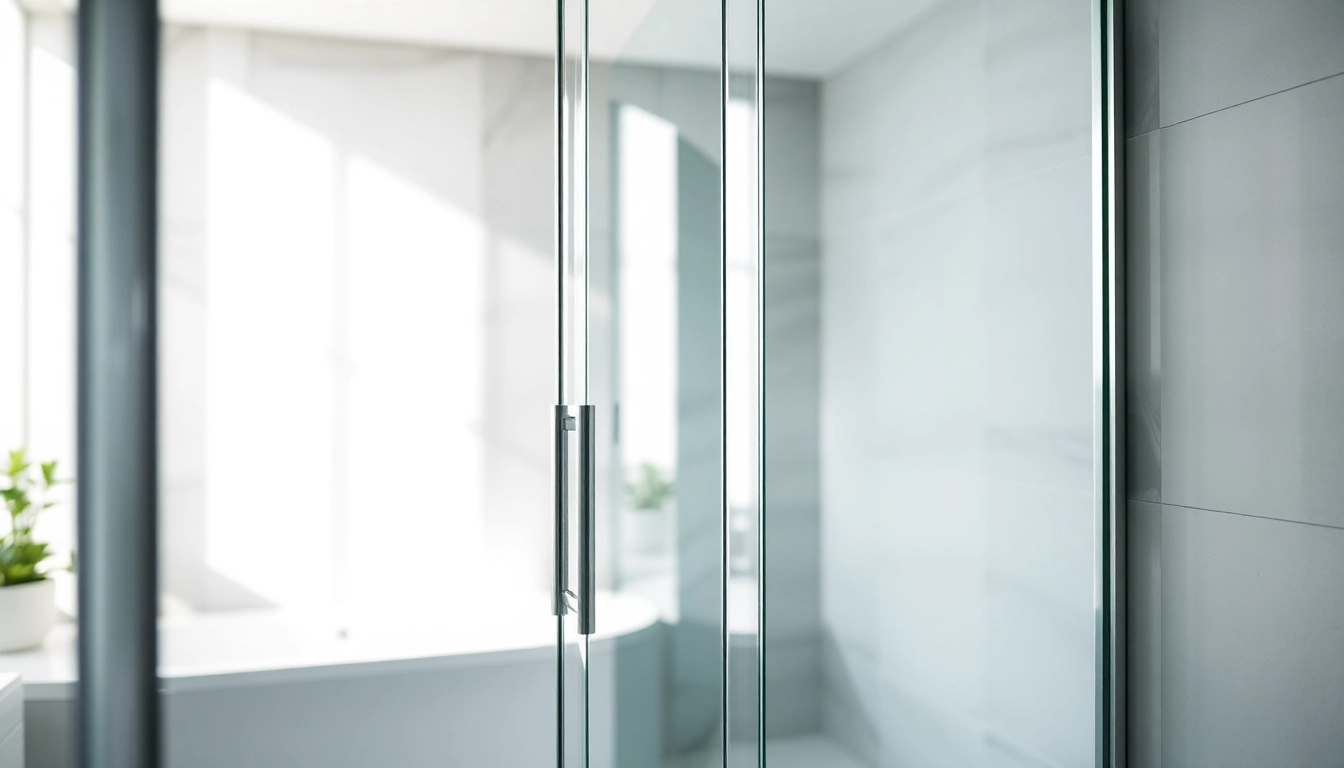
- Frameless Shower Screens: Known for their sleek and modern look, frameless screens offer an uninterrupted view and are made with thick, tempered glass to provide stability without visible metal framing.
- Sliding Shower Screens: Ideal for smaller bathrooms, sliding screens save space by opening in a sliding motion rather than swinging open.
- Bi-fold Shower Screens: These screens fold inwards, providing an extra edge in compact bathrooms and making access easier.
Choosing the Right Style for Your Space
Frameless vs. Framed Screens
The choice between framed and frameless shower screens largely depends on personal taste and bathroom specifications. Framed screens tend to be more traditional and provide extra support, making them suitable for heavier glass options. On the other hand, frameless screens promote a minimalist aesthetic, creating a seamless look that can make a bathroom feel larger. Factors such as the overall design theme, glass thickness, and weight capacity should all be considered when choosing between these options.
Color and Texture Options
When selecting shower screens, consider the color and texture that best fit your bathroom ambiance. Clear glass is the most popular choice, providing a clean look that allows other bathroom elements to shine. However, options like frosted or tinted glass can offer added privacy and personality. Moreover, textured glass adds charm and uniqueness to your space while still allowing light to enter. Choosing the right glass treatment can significantly influence the overall mood of your bathroom.
Design Trends to Consider
Current bathroom design trends emphasize a blend of functionality and aesthetics. Popular trends include:
- Minimalism: Sleek lines and simple shapes are in vogue, promoting an understated elegance.
- Natural Elements: Incorporating natural materials like wood alongside shower screens can create a harmonious and inviting environment.
- Industrial Influence: Combining metal frames with raw finishes resonates well with urban aesthetics.
Being aware of these trends can guide you in selecting a shower screen that complements your home decor and personal style.
Installation Guidelines and Best Practices
Pre-Installation Considerations
Before installation, several factors should be taken into account to ensure a smooth process. Start by assessing your bathroom layout, taking precise measurements to ensure a perfect fit. Check for plumbing and electrical wiring that may interfere with the installation. It’s also crucial to choose the right glazing options based on safety, aesthetics, and privacy requirements, as well as to gather all necessary tools and equipment beforehand.
Step-by-Step Installation Process
Here’s a simplified step-by-step guide to installing a shower screen:
- Preparation: Remove existing fixtures and clean the area where the screen will be installed.
- Measure: Use a measuring tape to ensure accurate dimensions for the screen.
- Mark the Position: Use a pencil to mark where the brackets and hinges will go.
- Install the Base: Attach the bottom rail to the surface using screws, ensuring it is level.
- Fix the Side Panels: Secure the side screens using brackets; check for alignment with the pre-marked positions.
- Attach the Door: If your design includes a sliding or hinged door, install it according to the manufacturer’s instructions.
- Sealing: Finally, apply silicone sealant around the edges to prevent water leakage.
Take care to follow all safety guidelines and product instructions for the best results.
Hiring a Professional vs. DIY
While DIY installations can save on costs, they may pose challenges for those without proper experience. Hiring a professional guarantees quality work, saving you time and the hassle of potential mistakes. Professionals can also ensure compliance with local building codes and provide warranties for their work. Weigh the pros and cons while considering your budget, skills, and the complexity of the chosen shower screen design.
Maintenance Tips for Longevity
Cleaning and Care Instructions
To maintain the clarity and function of your shower screens, establish a regular cleaning routine. Use a non-abrasive glass cleaner and a soft cloth to wipe down the screen after each use, minimizing water spots and soap scum buildup. Additionally, consider applying a water-repellent treatment specifically designed for shower screens to ease maintenance and enhance longevity.
Common Issues and Solutions
Despite their numerous benefits, shower screens may experience issues over time. Common problems include:
- Water Leaks: Fix any leaks by checking the seals and applying fresh silicone as necessary.
- Glass Fogging: If glass experiences fogging, a combination of vinegar and water can help restore clarity.
- Loose Hinges: Tighten the screws or replace worn hinges to maintain stability and function.
Addressing these issues early can prolong the life of your shower screen and enhance your bathroom experience.
When to Replace Shower Screens
Typically, a shower screen should be replaced if it shows signs of severe damage, such as cracks or significant scratches that affect visibility. Additionally, if the seals become ineffective leading to leaks, or if you are renovating and want a different style or configuration, replacement is advisable. Regular inspections can help identify the need for replacement before small issues escalate.
Frequently Asked Questions about Shower Screens
What materials are used for shower screens?
Shower screens are commonly made of tempered glass, acrylic, or polycarbonate, each offering various benefits like durability and aesthetics.
Can shower screens fit any shower design?
Yes, shower screens can be customized to fit nearly any shower design, from corner units to larger walk-in designs, enhancing appeal and functionality.
How are shower screens maintained?
Regular cleaning using non-abrasive cleaners, along with periodic checks for seals and hinges, will help maintain your shower screens and prolong their lifespan.
Are there safety features in shower screens?
Many shower screens are made from tempered or laminated glass, which is safer than standard glass due to its high resistance to impact and shattering.
What is the average cost of shower screens?
The cost of shower screens varies significantly based on size, design, and materials, typically ranging from budget-friendly options to premium models that offer sophisticated aesthetics.