Understanding Sports Broadcasting Fundamentals
What is Sports Broadcasting?
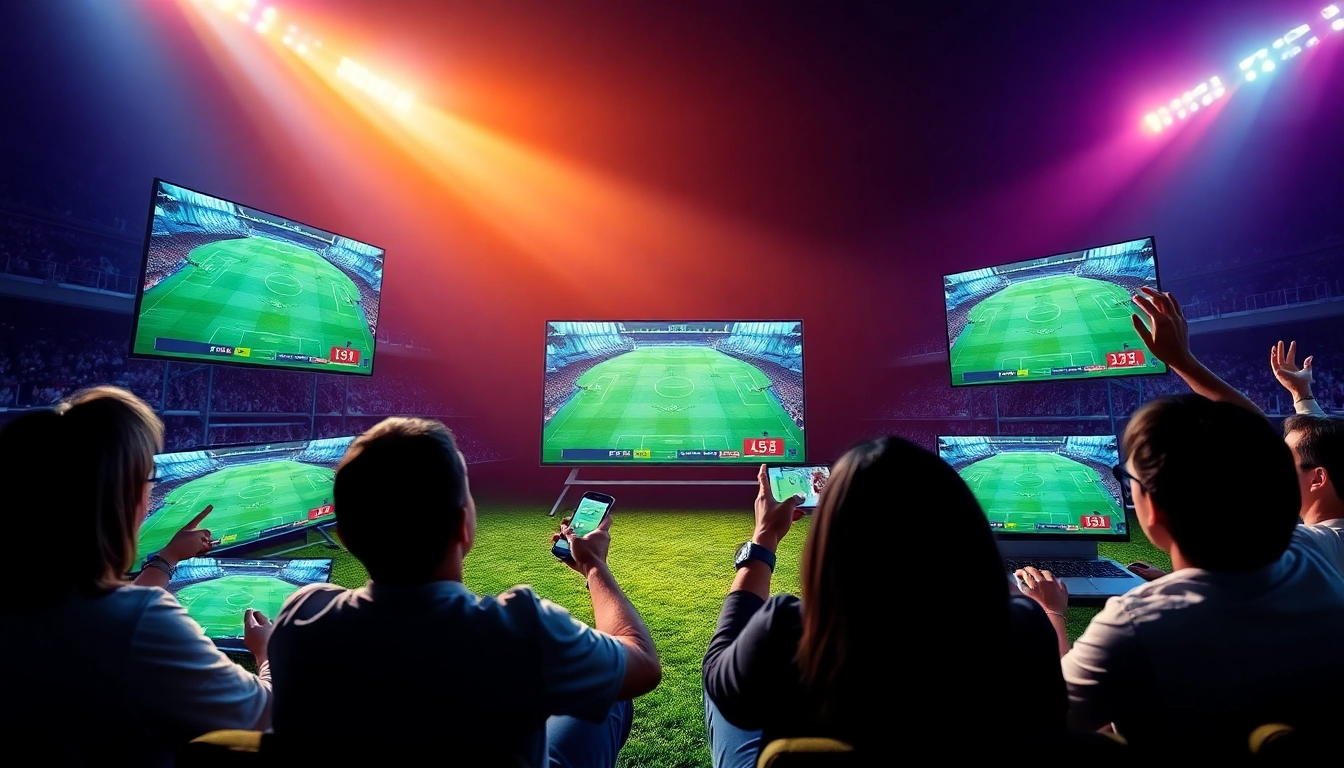
Sports broadcasting refers to the live or recorded transmission of sports events through various media platforms. This medium allows fans to experience the excitement of games, matches, and competitions regardless of their location. Broadcasters provide comprehensive coverage, including play-by-play commentary, expert analysis, and interviews. As a core component of the sports industry, it serves to engage viewers and promote sporting events. Enthusiasts can delve deeper into the intricacies of Sports Broadcasting to understand its impact better.
The Evolution of Sports Broadcasting
The history of sports broadcasting can be traced back to the early 20th century with radio broadcasts, which brought live sports to audience homes for the first time. This innovation quickly captivated fans and paved the way for television broadcasts, which further enhanced viewer engagement with visual content. Fast forward to modern times, digital platforms and social media have revolutionized how fans consume sports. Streaming services, online highlights, and interactive apps continue to reshape the landscape, offering tailored experiences for sports fans.
Key Roles in Sports Broadcasting
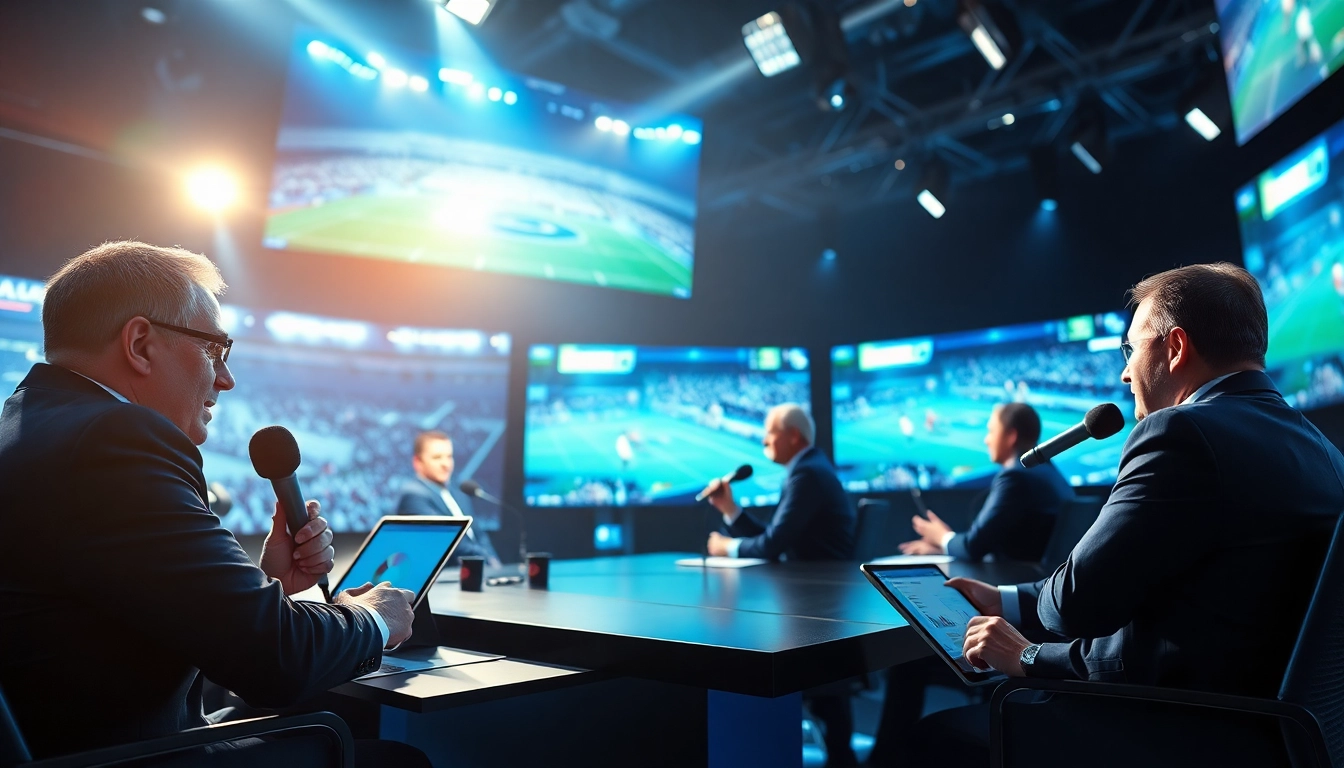
Sports broadcasting involves a variety of roles that work together to deliver a cohesive viewing experience. Key positions include:
- Sportscasters: These professionals provide commentary and analysis during live events, engaging viewers with their insights.
- Producers: Responsible for creating the broadcast’s overall vision, they coordinate different elements to ensure smooth delivery.
- Camera Operators: They capture the action from various angles, ensuring that viewers can see every exciting moment.
- Audio Engineers: Their role is vital for clear sound quality, delivering everything from commentary to crowd reactions.
- Directors: They oversee the entire production, making immediate decisions to shape the viewer’s experience.
Essential Equipment for Sports Broadcasting
Cameras and Visual Equipment
Visual equipment is fundamental in sports broadcasting. High-definition cameras are essential for capturing crisp and clear footage. With advancements in technology, many broadcasters now utilize 4K cameras, drones, and robotic cameras to provide unique perspectives of events. Additionally, using multiple camera angles helps present a comprehensive view of the action, enhancing the audience’s experience.
Audio Gear for Broadcast Clarity
Sound quality is just as critical as visual clarity. To achieve this, broadcasters use high-quality microphones, sound mixers, and audio processing tools. Lapel microphones placed on commentators allow for clear commentary without background noise interference. Furthermore, utilizing advanced audio software ensures that sound levels are balanced, making for a more enjoyable viewing experience.
Software Tools for Streaming
The digital revolution has introduced powerful software tools that facilitate seamless streaming of sports events. Software solutions for live streaming provide the necessary infrastructure for broadcasting over the internet. Tools like OBS (Open Broadcaster Software) and Wirecast enable broadcasters to manage video feeds, overlay graphics, and switch between cameras, delivering a professional-grade production.
Techniques to Engage Sports Broadcasting Audiences
Storytelling in Sports Broadcasting
Effective storytelling transforms a simple game into an emotional experience for viewers. Broadcasters can enhance engagement by sharing player backgrounds, team histories, and pivotal moments from previous seasons. When they weave together narratives that resonate with fans, they create a deeper connection to the sport, encouraging viewers to remain engaged beyond mere statistics.
Using Commentary to Enhance Viewer Experience
Commentary plays a crucial role in guiding viewers through the nuances of a game. Strong commentators educate the audience about rules and strategies while also injecting personality and enthusiasm. A good blend of humor, insight, and emotion keeps viewers captivated. Commentators should also be aware of the diverse audience—balancing detailed analysis for enthusiasts while remaining accessible to casual fans.
Building Audience Interaction
With the rise of social media, broadcasters are finding new ways to interact with their audience. Live tweeting, Q&A sessions, and polls during events enhance viewer participation. These interactions not only keep fans engaged but also provide broadcasters with valuable feedback and insights into audience preferences, allowing for continuous improvement.
Best Practices for Quality Sports Broadcasting
Preparing for Live Events
Proper preparation is key to successful sports broadcasting. This involves thorough research and scheduling to ensure that all participants are briefed and ready. Knowing the players, teams, and potential storylines helps commentators deliver informative commentary. Additionally, testing all equipment before a live event is crucial to avoid technical difficulties.
Maintaining Broadcast Ethics
Ethics in sports broadcasting extend to fair commentary, respecting players and their privacy, and providing impartial coverage. Avoiding sensationalism and biased reporting fosters trust with the audience. Broadcasters should adhere to a code of ethics that promotes professionalism and respect for the sport and its participants.
Adapting to Technical Challenges
Technical issues can arise unexpectedly during live broadcasts. Broadcasters must be prepared to handle challenges, such as equipment failure or network issues, gracefully. Establishing backup systems and having contingency plans can mitigate disruptions. Training staff on troubleshooting techniques ensures that operations can continue smoothly, much to the benefit of viewers.
Measuring Success in Sports Broadcasting
Analyzing Viewer Metrics
Measuring the success of a broadcast goes beyond viewer numbers. Broadcasters should analyze viewer metrics such as engagement rates, audience retention, and demographic data to gauge the effectiveness of their programming. This data helps inform future broadcasting decisions, ensuring that they cater to the preferences of their audience.
Feedback from Audiences
Regularly seeking feedback from audiences is crucial for improvement. Utilizing surveys, social media comments, and viewership statistics can provide valuable insights into what works and what needs improvement. Engaging with the audience about their preferences and experiences can foster loyalty and enhance the broadcasting experience.
Continual Learning and Adaptation
The sports broadcasting landscape is continuously evolving, and maintaining success requires adaptation. Broadcasters must stay abreast of technological advancements and shifts in audience behavior. Continuously learning through workshops, conferences, and industry updates can equip them with the latest tools and strategies needed to thrive in this dynamic environment.
Frequently Asked Questions
What is the role of a sports broadcaster?
A sports broadcaster provides commentary and analysis of events, engages the audience with storytelling, and enhances the viewing experience through expert insights.
How has technology changed sports broadcasting?
Technology has transformed sports broadcasting by introducing high-definition visuals, interactive digital platforms, and sophisticated software for streaming and production.
What skills are important for sports commentators?
Sports commentators should possess strong communication skills, comprehensive knowledge of sports, the ability to engage audiences, and the talent to convey excitement.
Why is audience interaction vital in sports broadcasting?
Audience interaction increases engagement, provides valuable feedback, and builds a community around sports programming, enhancing viewer loyalty and experience.
How do broadcasters measure success?
Success is measured through analyzing viewer metrics, audience feedback, and engagement rates, which inform future programming and enhance quality.